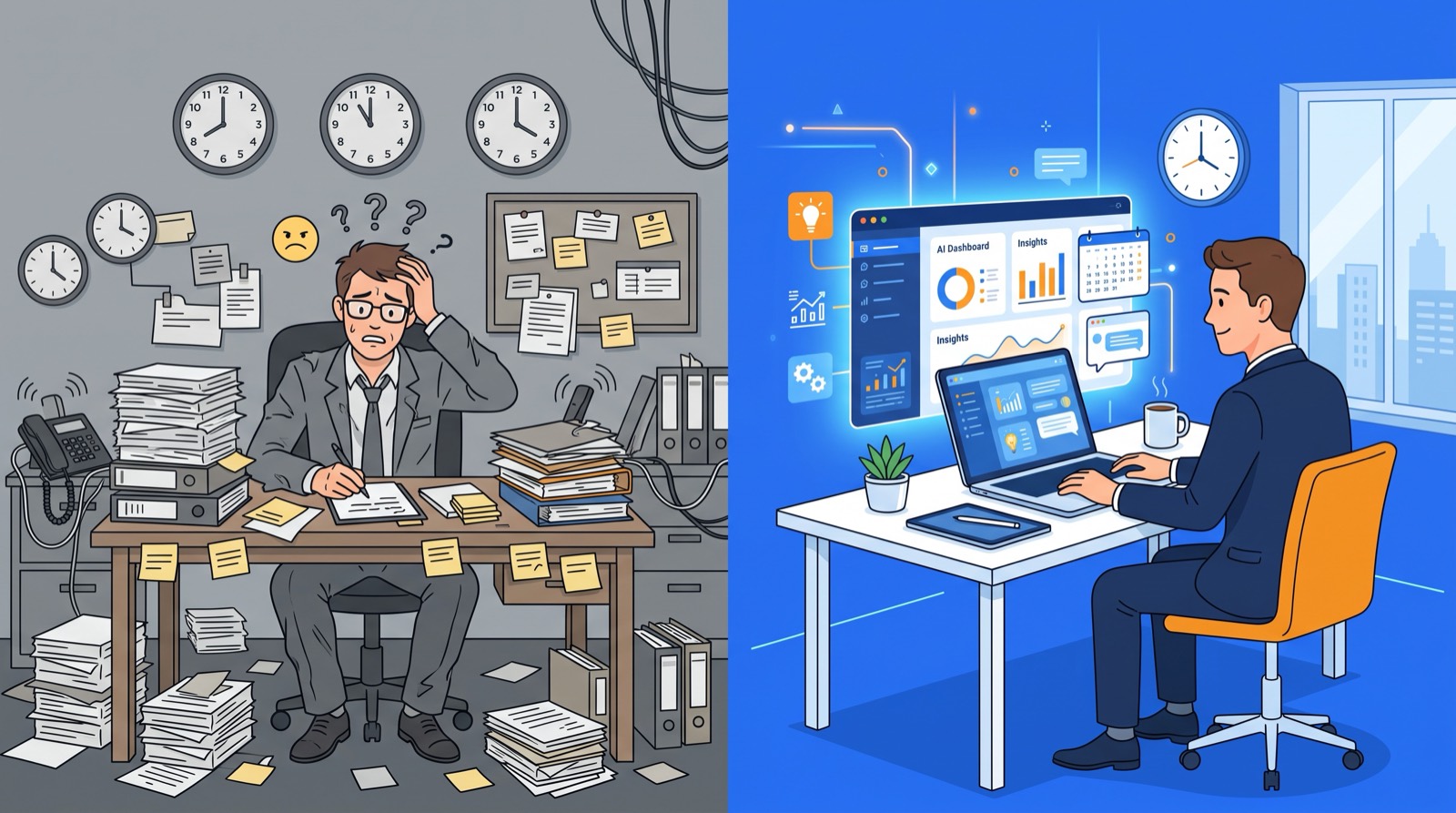
The job of a lobbyist has always been about relationships, timing, and knowing the room. AI doesn’t change that. What it changes is how much of your day gets spent on everything that comes before the work that needs your judgment: monitoring, research, bill tracking, and client updates.
AI tools for this work sit on a spectrum. At one end are general-purpose AI tools like Claude and ChatGPT, which are flexible and easy to pick up but only work with what you give them. At the other are tools built specifically for legislative work, which connect to bill data, hearing schedules, and the official record. The two are good at different parts of the job, and many lobbyists find a place for both. Here’s where AI tends to help across the workflow.
Staying Aware in Real Time
During a session, committees move quickly and in parallel. A bill can be amended in a hearing you couldn’t attend, reach a floor vote before you’ve briefed your client, or die quietly in committee.
AI can help you keep watch. Transcription tools like Otter.ai or Fireflies.ai will capture a hearing if you point them at the feed, leaving you with a searchable record rather than scattered notes. Ask one to summarize the discussion afterward and you can catch up on a hearing you missed in a couple of minutes.
Understanding Bills in Minutes
Reading a bill, cross-referencing related legislation, digesting the fiscal note, and tracing amendment history is real work that can take a morning. AI shortens it. You can ask questions in plain language and get sourced answers: “What changed since this left committee?” or “What does the fiscal analysis say?”
Claude and ChatGPT do this well once you supply the text, which means locating the bill, pulling the current version, and pasting it in. For an occasional question or a quick read on an unfamiliar bill, that’s fast and genuinely useful.
Keeping Clients Ahead of the News
Clients want to hear when something moves, not at your next scheduled update. That involves two things: catching the development and writing it up. Claude and ChatGPT are strong at the second part; give them your rough notes and a clean, client-ready update comes back in minutes, so the writing stops being the bottleneck.
Where Purpose-Built Tools Fit
The gaps these tools leave, like knowing which hearings matter, noticing the moment a bill moves, or working from the current version without hunting for it, are the reason a second category exists. Software built for legislative work connects directly to bill data, hearing schedules, and the official record. That lets it monitor the bills you care about, transcribe the hearings those bills come up in, and alert you when one is amended, scheduled, or voted on. Because it already knows what happened, it can often draft the client update as well. The tradeoff is scope: a general-purpose AI tool will help with almost anything, while a legislative tool is narrow by design. For a lobbyist tracking dozens of bills across a full session, that focus is usually the point.
The Real Payoff Is Cumulative
The biggest gains don’t come from any single feature. When monitoring, research, and updates each take less time, more of your day goes to strategy, relationships, and advocacy. AI doesn’t change what makes a great lobbyist. It just clears the path to do more of that work.